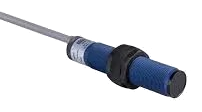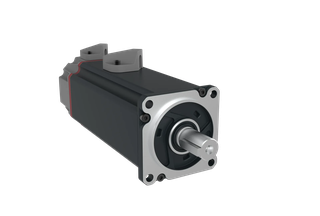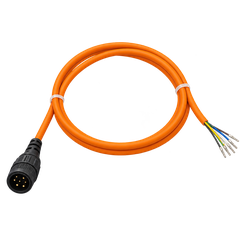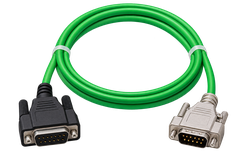
One set, controller to cable
Controller, drive, motor, cable and connector arrive checked against each other; interface problems are solved at the desk, not on the shop floor.
Quiet, efficient low-voltage traction running from a battery.
On AGVs and AMRs the traction wheels run at low voltage, from a battery, safely in spaces shared with people.
Braking energy returns to the battery; charge limits are part of the design.
A braked motor and correct brake timing stop the vehicle rolling.
The safe stop comes from the risk assessment; STO is the drive side of it.
Controller, drive, motor, cable and connector arrive checked against each other; interface problems are solved at the desk, not on the shop floor.
EtherCAT, CANopen, Modbus RTU, CODESYS and CiA 402: your machine is not tied to a closed ecosystem.
The same team from sizing to commissioning, on site and remotely.
Manuals, CAD, ESI/EDS and firmware in the Document Centre; every product you choose comes with its documents.
How the machine is driven and the SMB products we choose for it.
AGVs and autonomous mobile robots (AMRs) have to drive battery-powered traction wheels at low voltage, quietly and efficiently. Braking energy returns to the battery, the vehicle must hold safely on a ramp, and it needs a safe stop in spaces shared with people.
On a mobile robot every watt comes from the battery: a low-voltage, low-inertia drive train decides range and dynamics together.
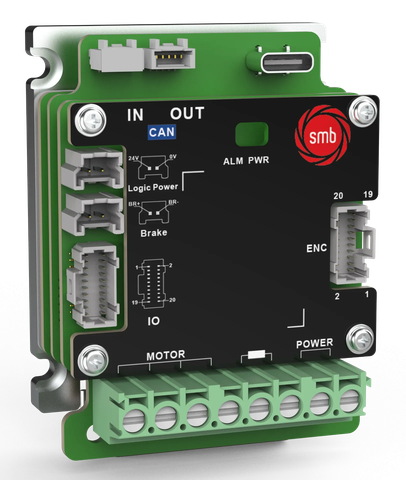
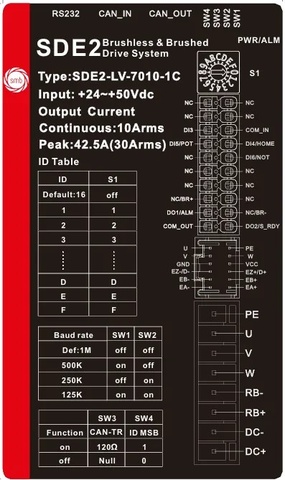
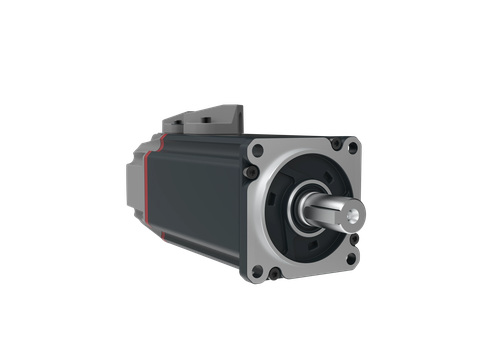
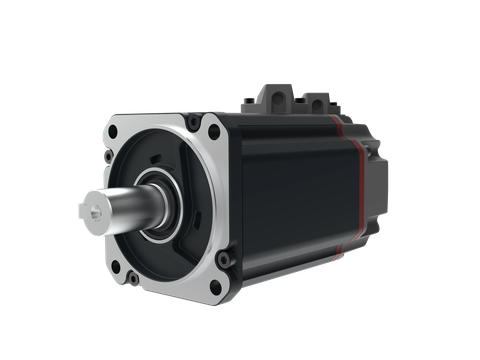
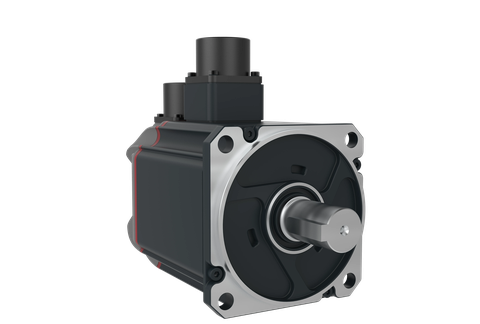
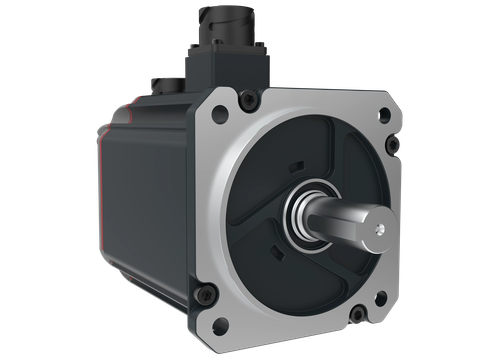
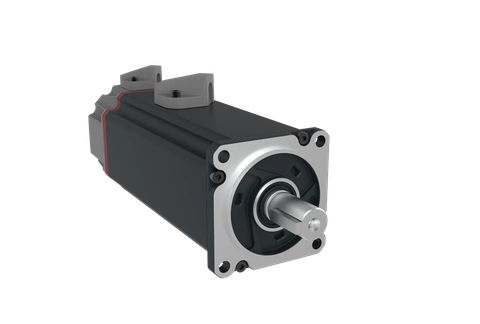
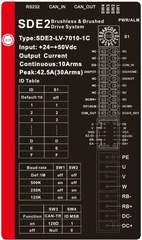
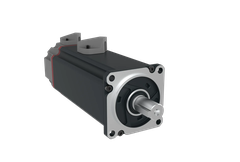
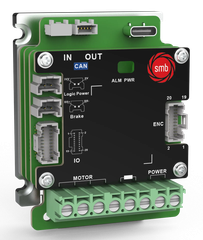
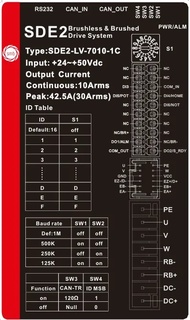
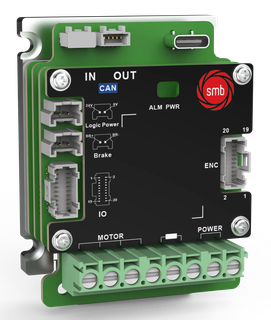
The vehicle controller works out the wheel speeds and sends them to the drives over CANopen or EtherCAT. The catalogue parts that fit this class: 48 V DC SML motors in 60–130 mm frames with BiSS magnetic absolute encoders; 70 V DC CANopen SDE2 and dual-axis SD2E2 drives; and the low-voltage EtherCAT SDE3 platform. A dual-axis drive runs both wheels of a differential-drive vehicle from one housing.
We need vehicle and payload mass, wheel diameter, top speed, acceleration and the steepest ramp. The wheel torque follows from those, and the sizer confirms the motor.
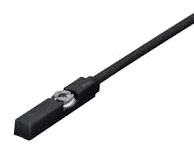
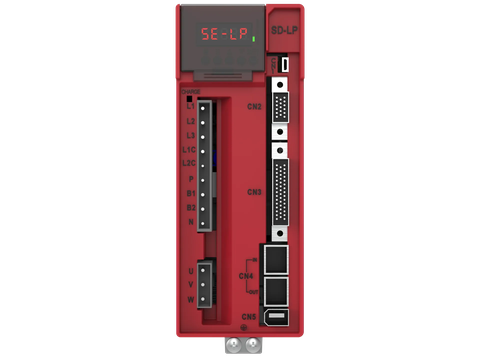
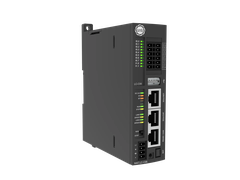
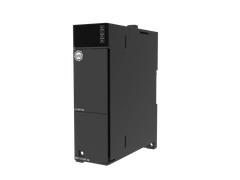
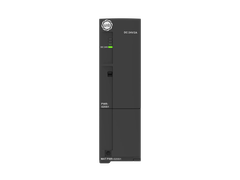
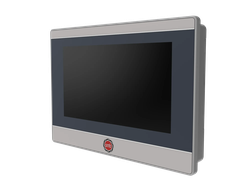
The boxes show the real products; click one to open the series.
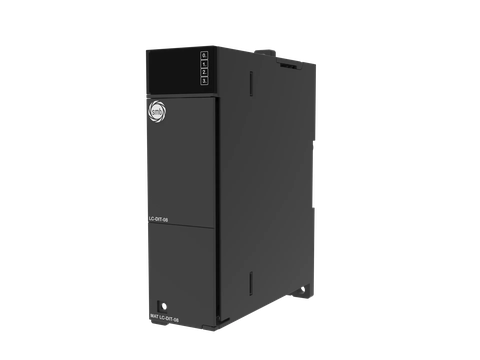 MAT-LC-DIT-08
PLC Digital Input Module — 8 × 24 V DC
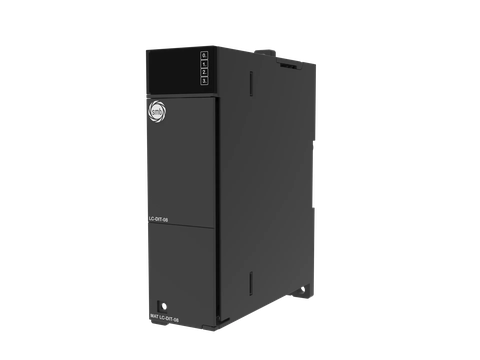
 MAT-LC-DIT-16
PLC Digital Input Module — 16 × 24 V DC
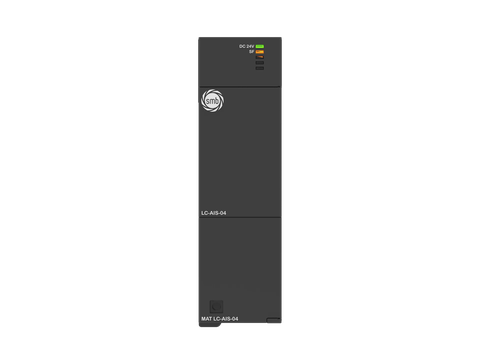
 MAT-LC-AIS-04
PLC Analog Input Module — 4AI × 12-bit
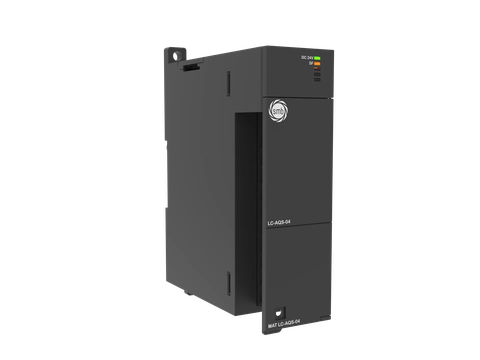 MAT-LC-AQS-04
PLC Analog Output Module — 4AQ × 12-bit
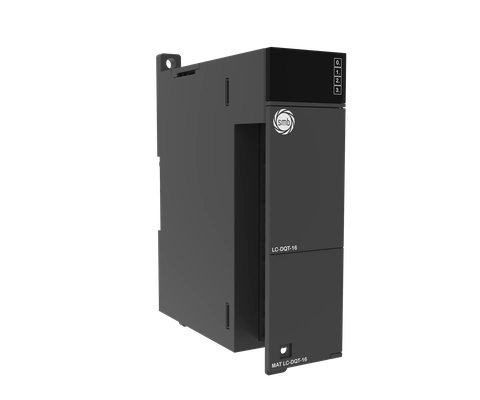 MAT-LC-DQT-16
PLC Digital Output Module — 16 × 24 V DC
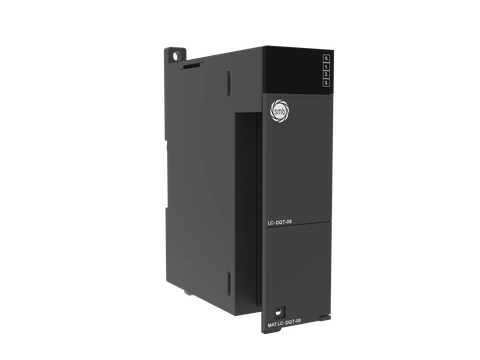 MAT-LC-DQT-08
PLC Digital Output Module — 8 × 24 V DC
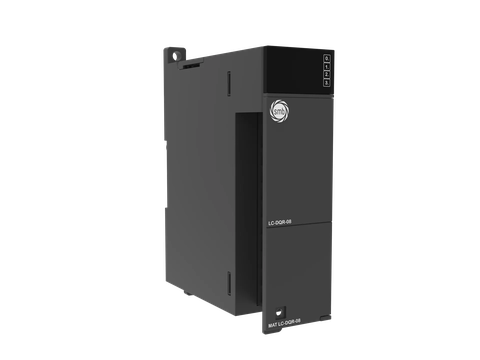 MAT-LC-DQR-16
PLC Digital Output Module — 16 × Relay
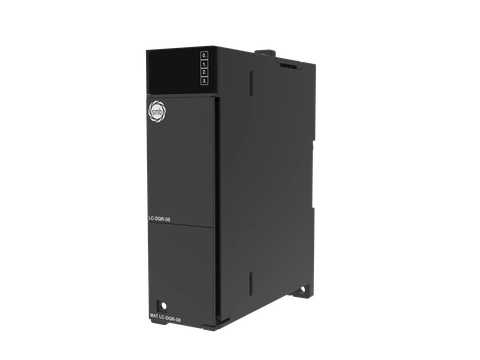 MAT-LC-DQR-08
PLC Digital Output Module — 8 × Relay
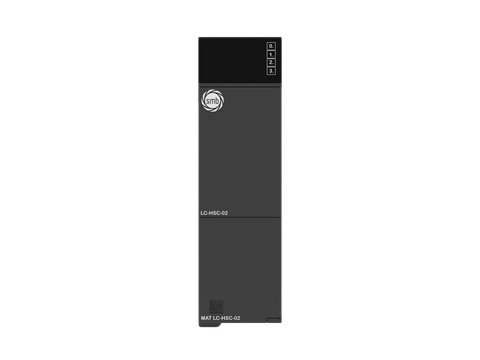 MAT-LC-HSC-02
Programmable Logic Controller Module High Speed Counter 2 x Differential/Single-Ended
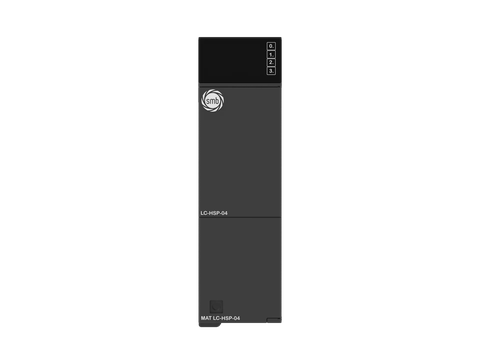 MAT-LC-HSP-04
Programmable Logic Controller Module High Speed Pulse 4 x Differential/Single-Ended
The industrial switch distributes Ethernet traffic between the controller, the operator panel and the engineering PC. It is part of the architecture, not part of the SMB catalogue.
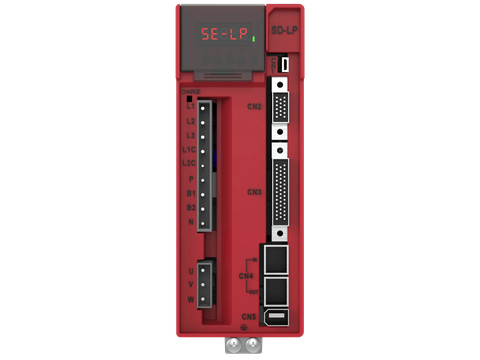
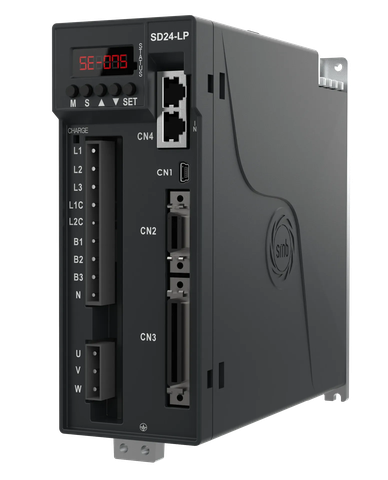 SD24-LP-04-D1-E
SD24-LP 400 W Single/Three-Phase 220 V AC EtherCAT Servo Drive
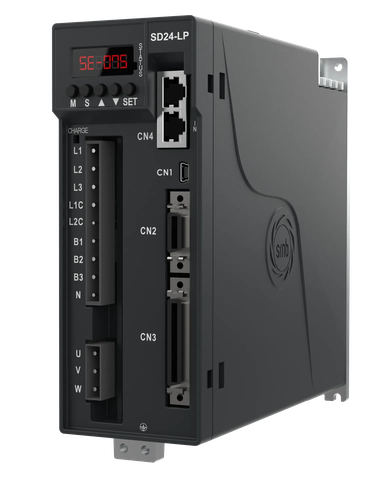 SD24-LP-07-D1-E
SD24-LP 750 W Single/Three-Phase 220 V AC EtherCAT Servo Drive
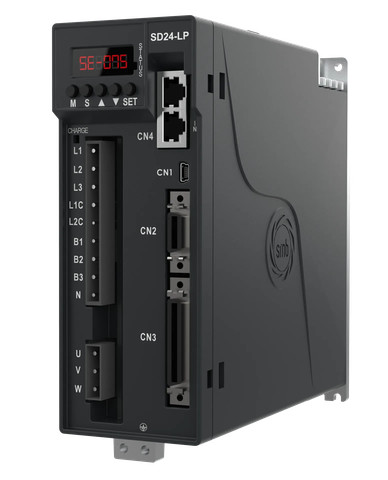 SD24-LP-10-D1-E
SD24-LP 1 kW Single/Three-Phase 220 V AC EtherCAT Servo Drive
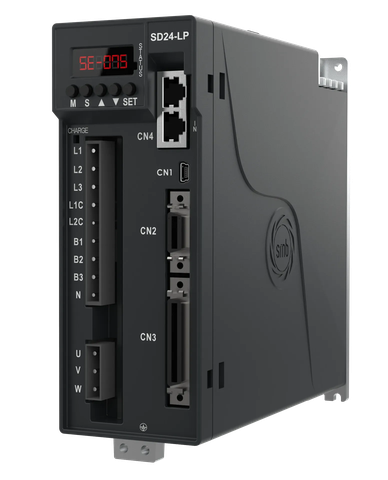 SD24-LP-15-D1-E
SD24-LP 1.5 kW Single/Three-Phase 220 V AC EtherCAT Servo Drive
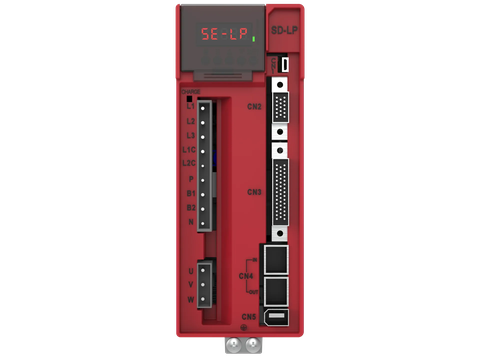
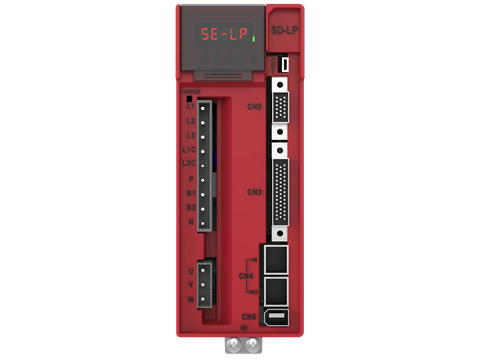
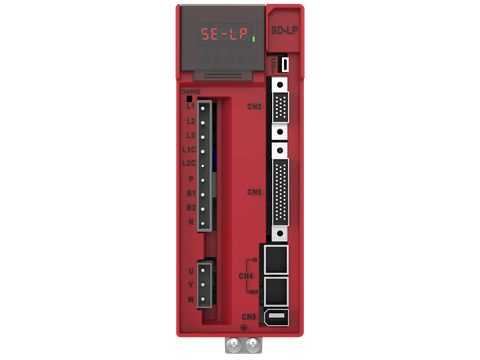 SD-LP-04-D1-E
SD-LP 400 W Single/Three-Phase 220 V AC EtherCAT Servo Drive
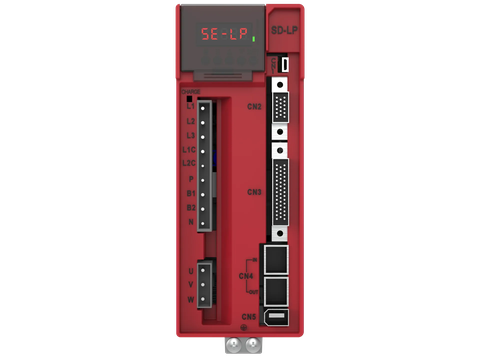 SD-LP-07-D1-E
SD-LP 750 W Single/Three-Phase 220 V AC EtherCAT Servo Drive
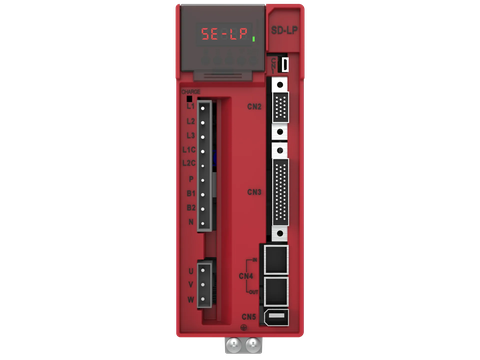 SD-LP-10-D1-E
SD-LP 1 kW Single/Three-Phase 220 V AC EtherCAT Servo Drive
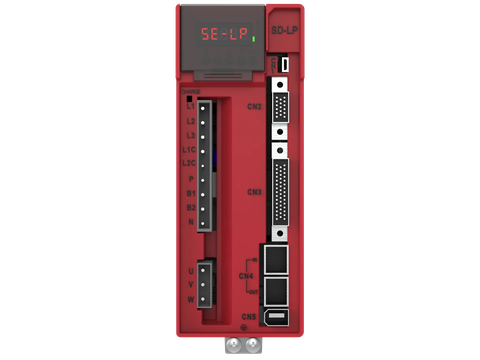 SD-LP-15-D1-E
SD-LP 1.5 kW Single/Three-Phase 220 V AC EtherCAT Servo Drive
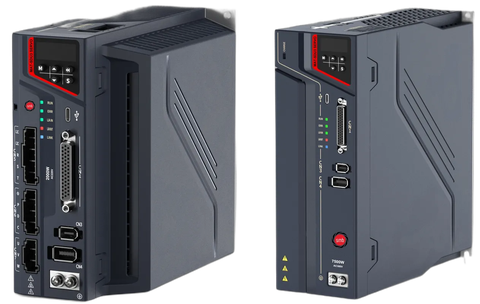 MAT-SDU3-MP-300-D3-E
SDU3 Series 3 kW Three-Phase 380 V AC EtherCAT Servo Drive
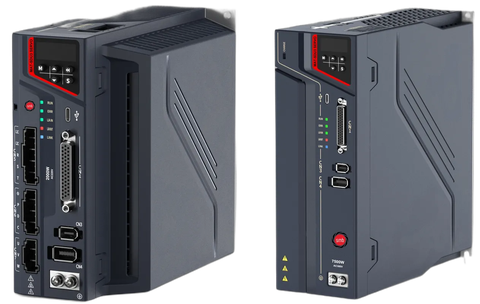 MAT-SDU3-MP-500-D3-E
SDU3 Series 5 kW Three-Phase 380 V AC EtherCAT Servo Drive
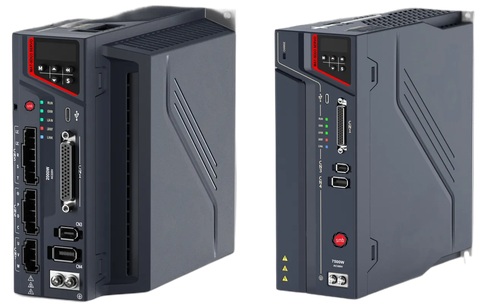 MAT-SDU3-MP-750-D3-E
SDU3 Series 7.5 kW Three-Phase 380 V AC EtherCAT Servo Drive
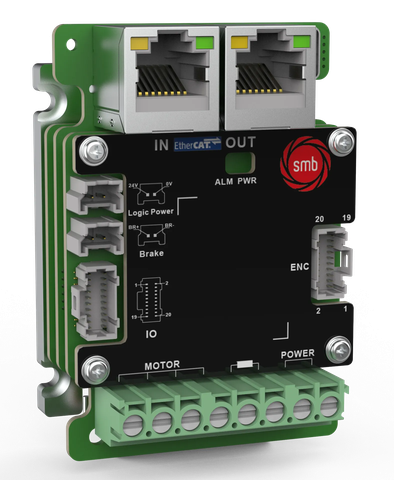 MAT-SDE3-LV-7020-NC-E
SDE3 Series 750 W EtherCAT Servo Drive — Open-frame
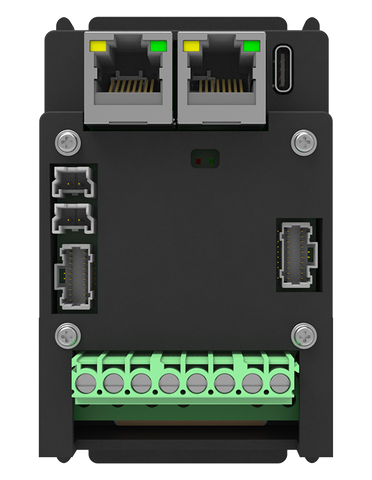 MAT-SDE3-LV-7020-CS-E
SDE3 Series 750 W EtherCAT Servo Drive — Enclosed
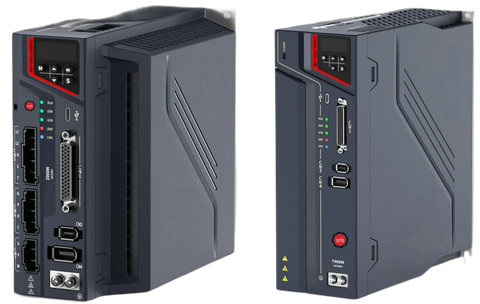 MAT-SDU3-MP-040-D3-E
SDU3 Series 400 W Three-Phase 380 V AC EtherCAT Servo Drive
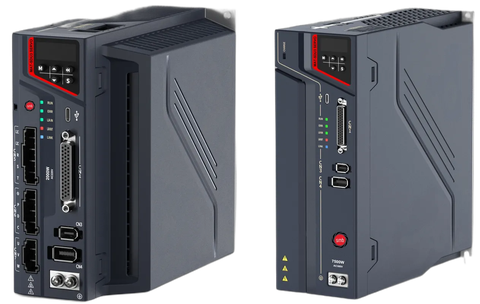 MAT-SDU3-MP-075-D3-E
SDU3 Series 750 W Three-Phase 380 V AC EtherCAT Servo Drive
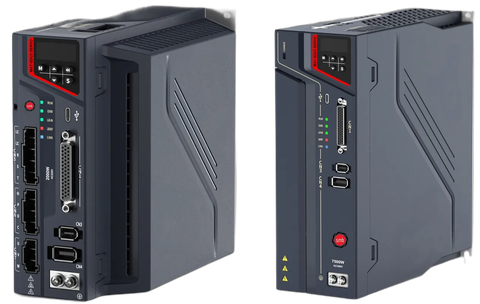 MAT-SDU3-MP-100-D3-E
SDU3 Series 1 kW Three-Phase 380 V AC EtherCAT Servo Drive
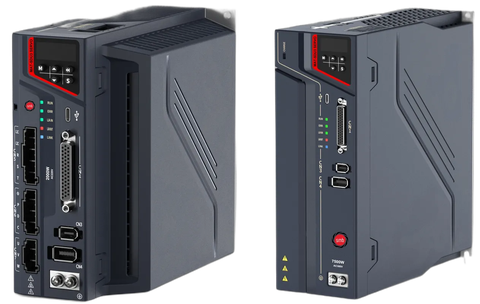 MAT-SDU3-MP-150-D3-E
SDU3 Series 1.5 kW Three-Phase 380 V AC EtherCAT Servo Drive
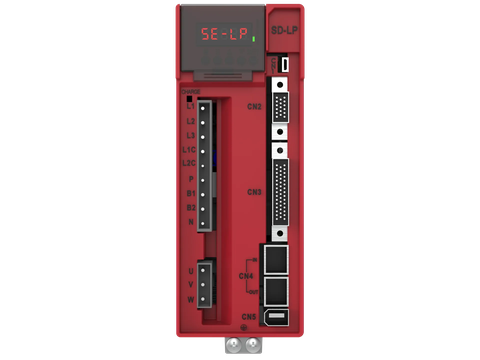 SD-LP-04-D1-C
SD-LP 400 W Single/Three-Phase 220 V AC CANopen Servo Drive
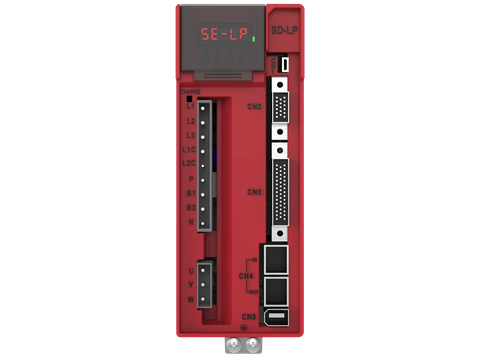 SD-LP-07-D1-C
SD-LP 750 W Single/Three-Phase 220 V AC CANopen Servo Drive
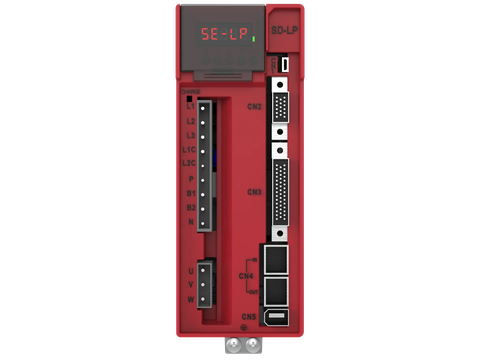 SD-LP-10-D1-C
SD-LP 1 kW Single/Three-Phase 220 V AC CANopen Servo Drive
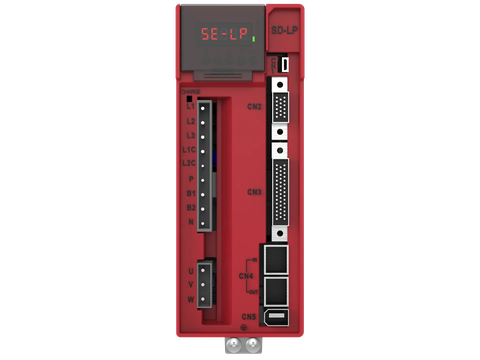 SD-LP-15-D1-C
SD-LP 1.5 kW Single/Three-Phase 220 V AC CANopen Servo Drive
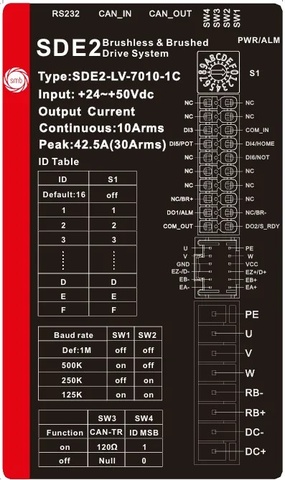 MAT-SDE2-LV-7010-CS-C
SDE2 Series 400 W CANopen Servo Drive — Enclosed
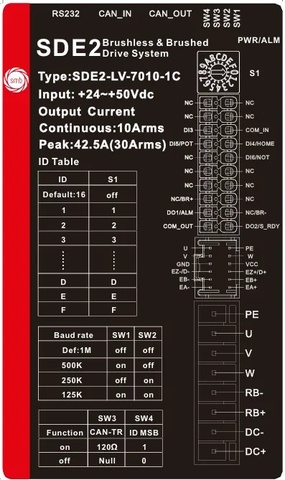 MAT-SD2E2-LV-7030-CS-C
SD2E2 Series 2 × 1.2 kW Dual-axis CANopen Servo Drive — Enclosed
SMB controllers are programmed in CODESYS: the IEC 61131-3 languages, integrated motion and a single project covering both machine logic and the axes.
PLCopen Motion Control function blocks give every axis the same standard interface, so proven machine code carries over from one project to the next.
SMB servo drives implement the CiA 402 drive profile: the same state machine and the same operating modes over EtherCAT and over CANopen.
Each axis, its task, its control mode and the drive–motor pair on it.
CSV · CANopen
PP · CANopen
PP · EtherCAT
CSP: cyclic synchronous position · CSV: cyclic synchronous velocity · CST: cyclic synchronous torque · PP: profile position. The series is confirmed by load and supply voltage.
From requirement to support; the SMB products and tools each step uses.
The motion profile, load and cycle time of every axis are collected; torque, speed and inertia ratio are calculated per axis.
The network (EtherCAT, CANopen, Modbus RTU), the controller and the drive–motor pair per axis are chosen; the safety and power side is drawn at this step.
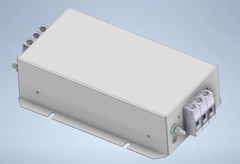
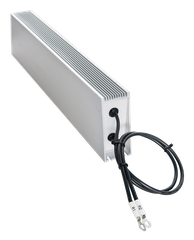
Power and encoder cables run in separate ducts with their shields bonded 360°; an EMI filter goes at the drive input and a braking resistor where the load regenerates.
In the CODESYS project the axes are defined with PLCopen blocks; the drives join the network through their ESI/EDS files and run the CiA 402 state machine.
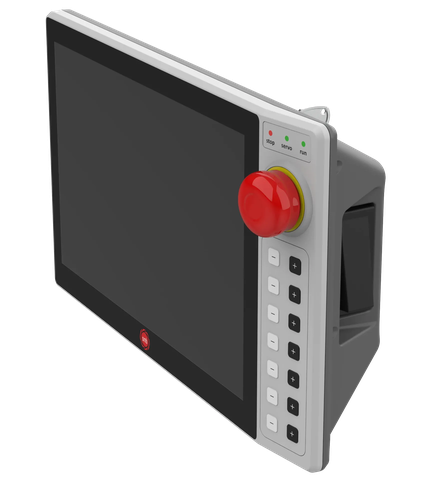
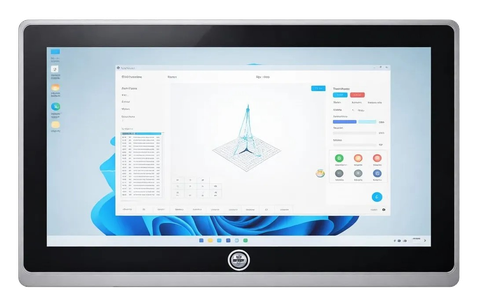
After wiring and direction checks the gains are tuned and the axes homed; the operator panel carries the machine recipes.
Alarm codes, spare parts, firmware and training, from the same engineering team.
Hardware, software, engineering and lifecycle.
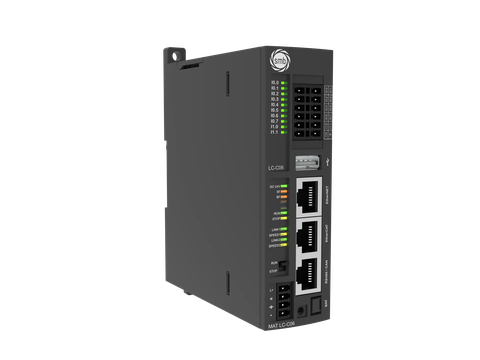
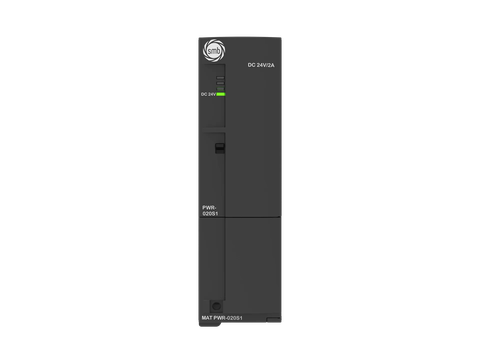
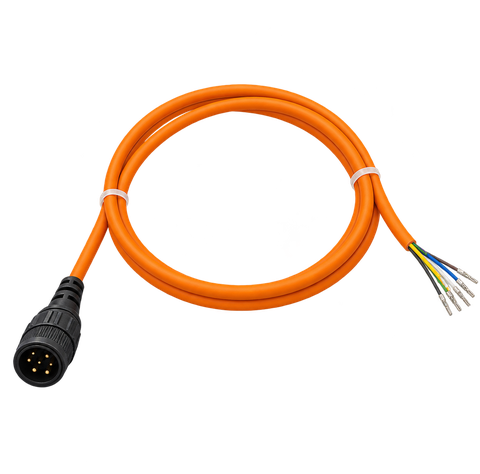
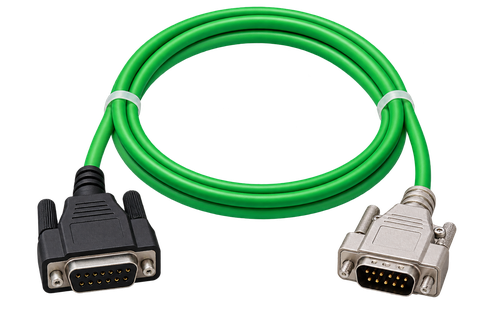
Controller, servo drive, motor, cable and connector: one set, checked to work together.
MAT-SDE2-LV-7040-CS-C
MAT-SDE3-LV-7020-NC-C
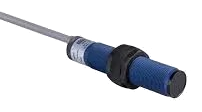
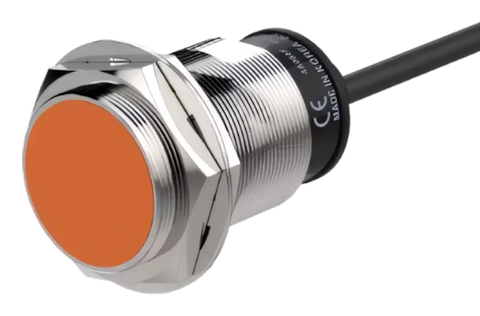
MATSPS1M8-350P4NOC
MAT-SML06-JS-D48S30-MT16ST17-040B0
The CODESYS project, PLCopen motion blocks and know-how specific to this machine.
Sizing, architecture, commissioning and tuning, on site and remotely.
Manuals, ESI/EDS files, spare parts and training.
The topics engineers in this industry ask about most, each with answers, checklists and troubleshooting steps.